The Stubborn Cashier Who Convinced America to Serve Itself
The Pitch That Fell on Deaf Ears
In 1929, Michael Cullen was just another face behind a grocery counter. At 46, he'd spent his entire adult life working for the Kroger Company, watching customers line up at service counters, waiting for clerks to fetch every item from behind glass cases. It was slow, expensive, and inefficient—but it was how America had always bought food.
 Photo: Michael Cullen, via lightwave.ee.columbia.edu
Cullen had an idea that seemed absolutely insane: What if customers could walk the aisles themselves, grab what they needed, and check out at the end? What if stores were massive—ten times bigger than anything that existed? What if they sold everything from soup to soap under one roof?
He wrote a detailed proposal to Kroger's executives, outlining his vision for what he called "monstrous stores" that would revolutionize American shopping. The response was swift and brutal: complete silence. His bosses didn't even bother to respond.
The Leap Into the Unknown
Most people would have accepted the rejection and gone back to their routine. Cullen did something different—he quit his job and moved his family from Ohio to New York with nothing but his savings and a stubborn belief in his vision.
In Jamaica, Queens, he found what he was looking for: a massive, abandoned garage that had once housed Studebaker automobiles. It was 6,000 square feet—enormous by grocery standards of the day. Most food stores were cramped corner shops of maybe 1,000 square feet. Cullen's neighbors thought he'd lost his mind.
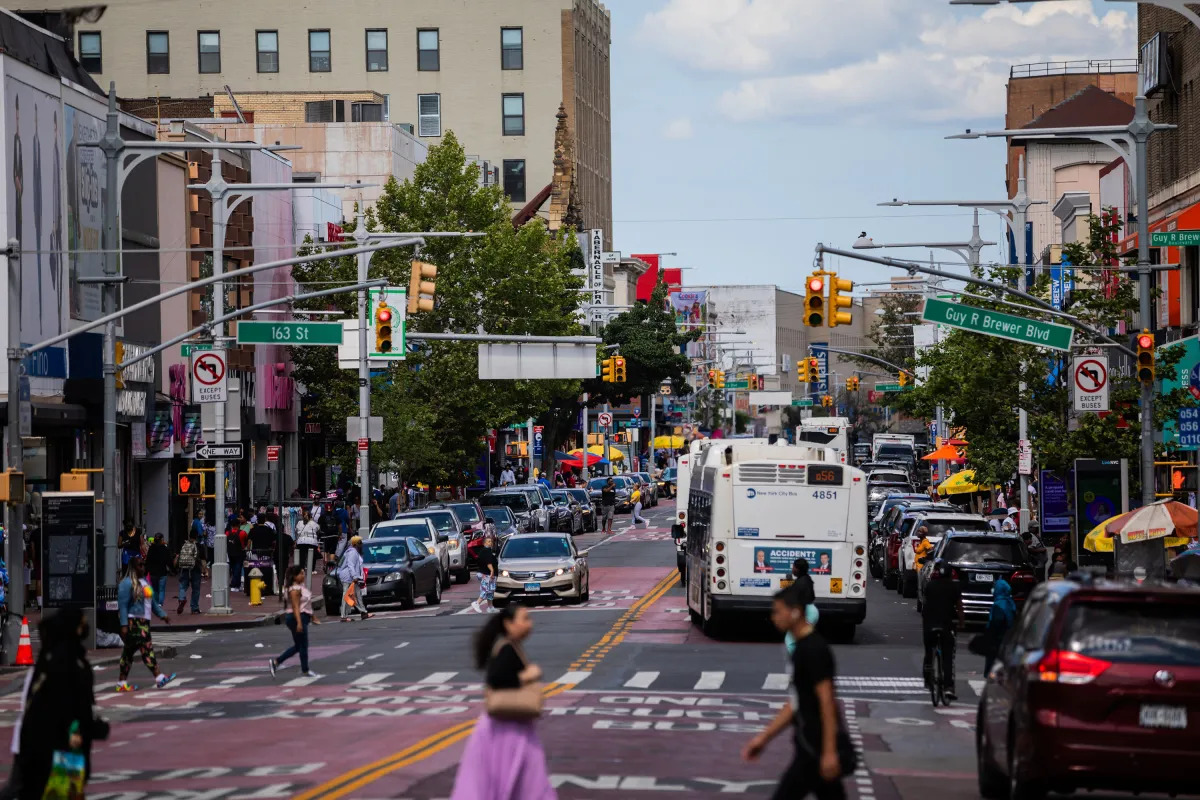 Photo: Jamaica, Queens, via images.ctfassets.net
On August 4, 1930, King Kullen opened its doors. The timing couldn't have been worse—the Great Depression was tightening its grip on America, and people were counting every penny. But Cullen had figured out something the grocery industry hadn't: if you let people serve themselves and bought in massive quantities, you could slash prices by 10-15%.
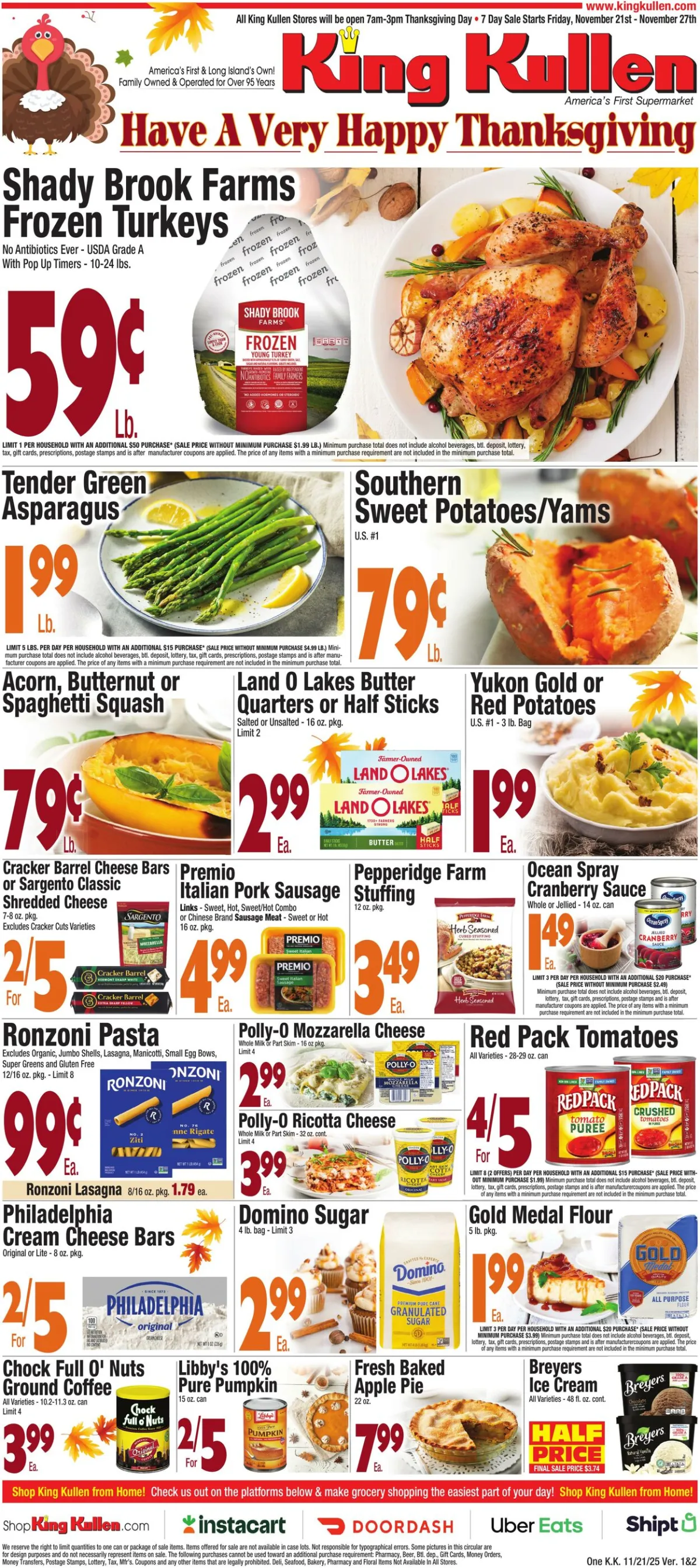 Photo: King Kullen, via static.rabato.com
The Revolution Nobody Saw Coming
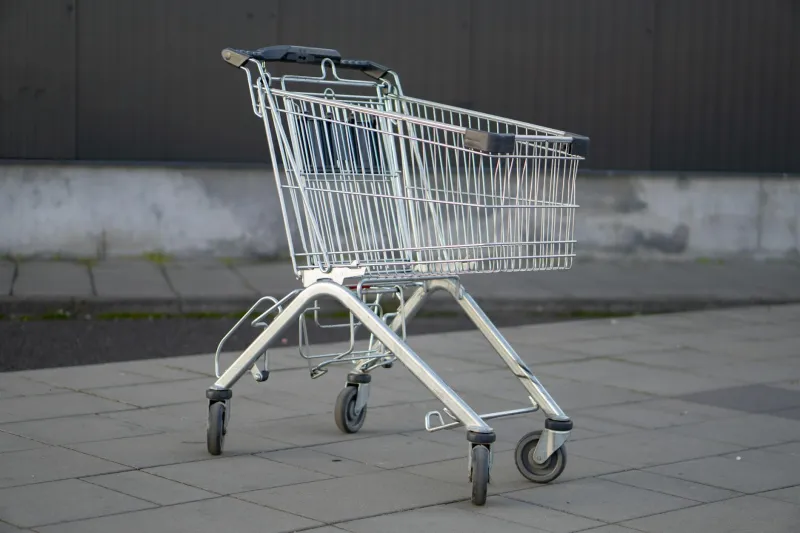
That first day, curious shoppers wandered through aisles stacked floor to ceiling with goods. They pushed metal shopping carts—another Cullen innovation—and marveled at the prices. A can of soup that cost 12 cents elsewhere was 8 cents at King Kullen. Bread was cheaper, meat was cheaper, everything was cheaper.
But it wasn't just about price. Cullen had stumbled onto something deeper about human psychology. Americans, it turned out, loved the freedom to browse, to compare, to make their own choices without a clerk hovering over their shoulder. They liked the feeling of discovery, of finding exactly what they wanted among thousands of options.
The Grocery Wars Begin
Within two years, King Kullen had eight locations across Queens and Long Island. Other retailers scrambled to catch up, but they were playing from behind. Cullen had the first-mover advantage and the operational knowledge that came from a lifetime in grocery stores.
The established chains fought back hard. They lobbied for laws to restrict store sizes, claiming these "super markets" would destroy small businesses and create unemployment. They argued that self-service was unsanitary and that customers couldn't be trusted to select their own produce.
But Americans had tasted freedom, and there was no going back. By 1936, there were 1,200 supermarkets across the country. By 1940, that number had tripled.
The Man Behind the Movement
Cullen never got to see his full victory. He died in 1936 at age 52, just six years after opening his first store. But he'd lived long enough to watch his crazy idea spread across America like wildfire.
What made Cullen different wasn't genius—it was perspective. While executives sat in boardrooms theorizing about consumer behavior, Cullen had spent decades watching actual customers. He'd seen their frustration with slow service, their desire for better prices, their willingness to do a little work themselves if it meant saving money.
The Ripple Effect
The supermarket didn't just change how Americans bought food—it reshaped the entire economy. Suburban development exploded as families could drive to massive stores and stock up for weeks. The rise of processed and packaged foods accelerated as manufacturers adapted to self-service retail. Even the American diet changed as people gained access to a much wider variety of foods year-round.
Today, the average American supermarket stocks 40,000 different products. Walmart alone employs 1.6 million Americans, making it the country's largest private employer. The self-service retail model that Cullen pioneered has spread to virtually every industry—from gas stations to hardware stores to pharmacies.
The Lesson in the Aisles
Michael Cullen's story isn't just about retail innovation—it's about the power of perspective that comes from the ground up. While his former bosses at Kroger were protecting their existing business model, Cullen was reimagining the entire concept of shopping.
His success came from understanding something that seems obvious in hindsight: given the choice, people prefer freedom over service, variety over convenience, and value over tradition. But in 1930, that insight was revolutionary enough to transform how 330 million Americans buy their groceries every week.
Sometimes the biggest changes come from the most ordinary places—from someone who's spent so long working within a system that they can see exactly how to break it open.