The Invisible Woman Who Became Labor's Loudest Voice
The Strategic Power of Being Overlooked
In 1928, a young Guatemalan woman stepped off a ship in New York Harbor carrying a single suitcase and speaking broken English. American society had a place ready for Luisa Moreno: invisible, expendable, silent. What they didn't anticipate was that she would transform that invisibility into the most effective organizing weapon in labor history.
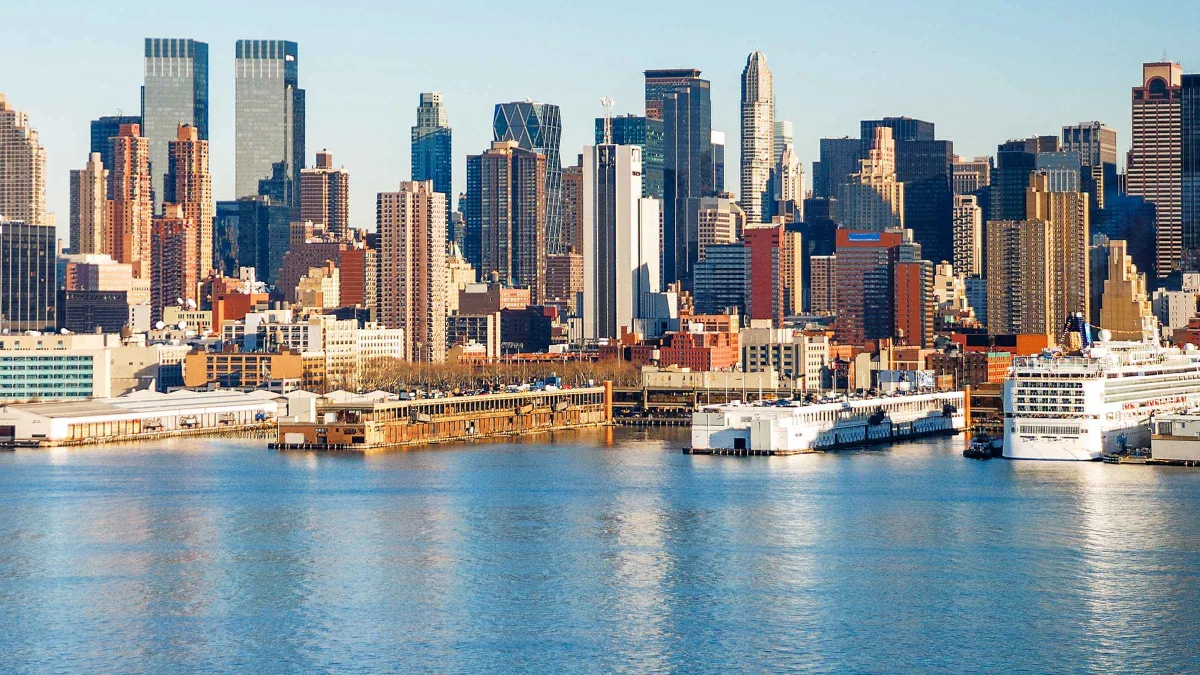 Photo: New York Harbor, via cdn.getyourguide.com
 Photo: Luisa Moreno, via www.si.edu
By the time the United States government deported her in 1950, Moreno had built the largest Latino labor organization in American history, integrated unions across the Southwest, and proven that the workers everyone ignored could move mountains when someone finally taught them how to push together.
When Survival Meant Learning Fast
Moreno's first American job was in a garment factory on Manhattan's Lower East Side, hunched over a sewing machine for twelve hours a day in conditions that would make modern sweatshop investigators reach for their citation books. The pay was barely enough to cover a shared room in a tenement, the work was mind-numbing, and the bosses treated their immigrant workforce like replaceable machinery.
But those brutal early years taught Moreno something that no university course could: she learned to see the invisible economy that kept America running. In factory break rooms and tenement kitchens, she discovered a vast network of Latino workers — dishwashers, seamstresses, field hands, maids — whose labor powered entire industries while remaining completely absent from newspaper headlines or political conversations.
They were invisible by design. And Moreno realized that invisibility could cut both ways.
Moving Through Walls That Others Couldn't See
By the 1930s, Moreno had moved to California and begun organizing cannery workers in Los Angeles. While established labor leaders held meetings in union halls and spoke from podiums, Moreno organized in church basements, at kitchen tables, and in the fields where workers spent their days.
Her gender and heritage, the very characteristics that made her dismissible to people in power, became her greatest strategic advantages. She could walk into communities that white male organizers couldn't penetrate. She could speak to workers in Spanish, understand their specific fears about deportation and family separation, and build trust in ways that traditional union representatives simply couldn't match.
When factory owners tried to intimidate workers by bringing in company security, those guards looked right past Moreno. A small Guatemalan woman posed no threat in their minds. They had no idea she was quietly building the largest labor uprising in California history.
The Congress That Changed Everything
In 1938, Moreno helped found El Congreso de Pueblos de Habla Española — the Spanish-Speaking Peoples Congress — bringing together Latino workers from across the United States for the first time. The gathering in Los Angeles drew over 1,000 delegates from dozens of states, creating a political force that American politicians could no longer pretend didn't exist.
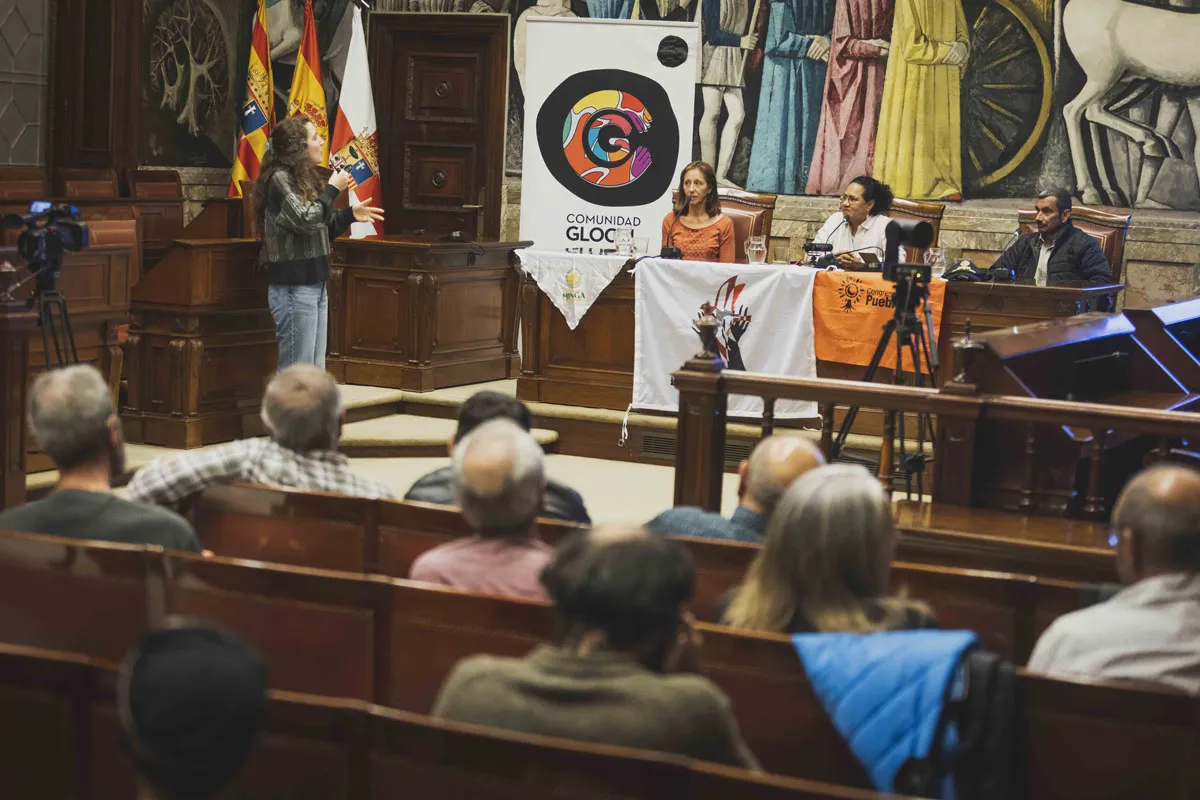 Photo: El Congreso de Pueblos de Habla Española, via arainfo.org
The Congress wasn't just about labor rights. Moreno understood that Latino workers faced discrimination that went far beyond the workplace. They were denied housing, excluded from schools, treated as second-class citizens even when they were born on American soil. Her organizing addressed civil rights decades before the more famous civil rights movement gained national attention.
Established labor leaders, accustomed to negotiating only about wages and working conditions, initially dismissed Moreno's broader approach. They failed to understand that for Latino workers, labor rights and civil rights were inseparable.
Building Bridges While Dodging Bullets
Throughout the 1940s, Moreno worked to integrate Latino workers into existing unions while simultaneously building independent Latino labor organizations. It was a delicate balance that required her to navigate between suspicious Anglo union leaders who questioned her loyalty and Latino workers who wondered if integration meant abandoning their specific needs.
She succeeded by proving that Latino workers could strengthen the entire labor movement. When she organized successful strikes at California canneries, the victories benefited all workers, regardless of ethnicity. When she pushed for bilingual union meetings and Spanish-language materials, she made unions more accessible to the fastest-growing segment of the American workforce.
But as Moreno's influence grew, so did the attention from people who preferred her invisible.
When Visibility Became Dangerous
By 1950, the Cold War had made political organizing a dangerous profession, especially for immigrants. The House Un-American Activities Committee had begun investigating labor leaders with foreign backgrounds, and Moreno's combination of immigrant status and radical organizing made her an obvious target.
Rather than face almost certain imprisonment, Moreno accepted voluntary deportation to Mexico. The woman who had spent two decades making Latino workers visible in American labor suddenly became invisible again, this time by government decree.
The irony was devastating. The country that had tried to keep Moreno invisible for twenty years finally succeeded — just as her work was beginning to reshape American labor forever.
The Legacy That Couldn't Be Deported
Moreno's deportation silenced her voice but couldn't erase her impact. The organizational structures she built, the bridges she constructed between communities, the political consciousness she helped develop among Latino workers — all of that remained.
When César Chávez began organizing farmworkers in the 1960s, he was building on foundations that Moreno had laid decades earlier. When Latino political power finally gained recognition in the 1970s and 1980s, it emerged from communities that Moreno had first taught to see themselves as part of a larger movement.
The Name That Should Be Remembered
Today, when Americans discuss the heroes of the labor movement, they mention Samuel Gompers, John L. Lewis, and Walter Reuther. Luisa Moreno's name rarely appears in those conversations, despite the fact that she organized more workers across more states than most of the men whose statues stand in union halls.
Her invisibility was never accidental — it was structural, designed to keep someone like her from gaining the power she eventually wielded. But Moreno proved that being overlooked could become a form of strength, that the margins of society might be the best place to build movements that change the center.
The hotel maid who was supposed to remain invisible had become the most powerful labor voice that America tried its best to forget.