The Farm Boy Who Built Wall Street's Heartbeat Without Understanding High Finance

The Numbers That Nobody Expected
In the summer of 1896, a farm boy from Sterling, Connecticut published twelve numbers in a financial newsletter that would eventually become more important to American capitalism than the Federal Reserve, the New York Stock Exchange, or any banking dynasty. Charles Dow had no formal training in economics, no connections to Wall Street's elite, and no business creating what would become the most watched financial index in history.
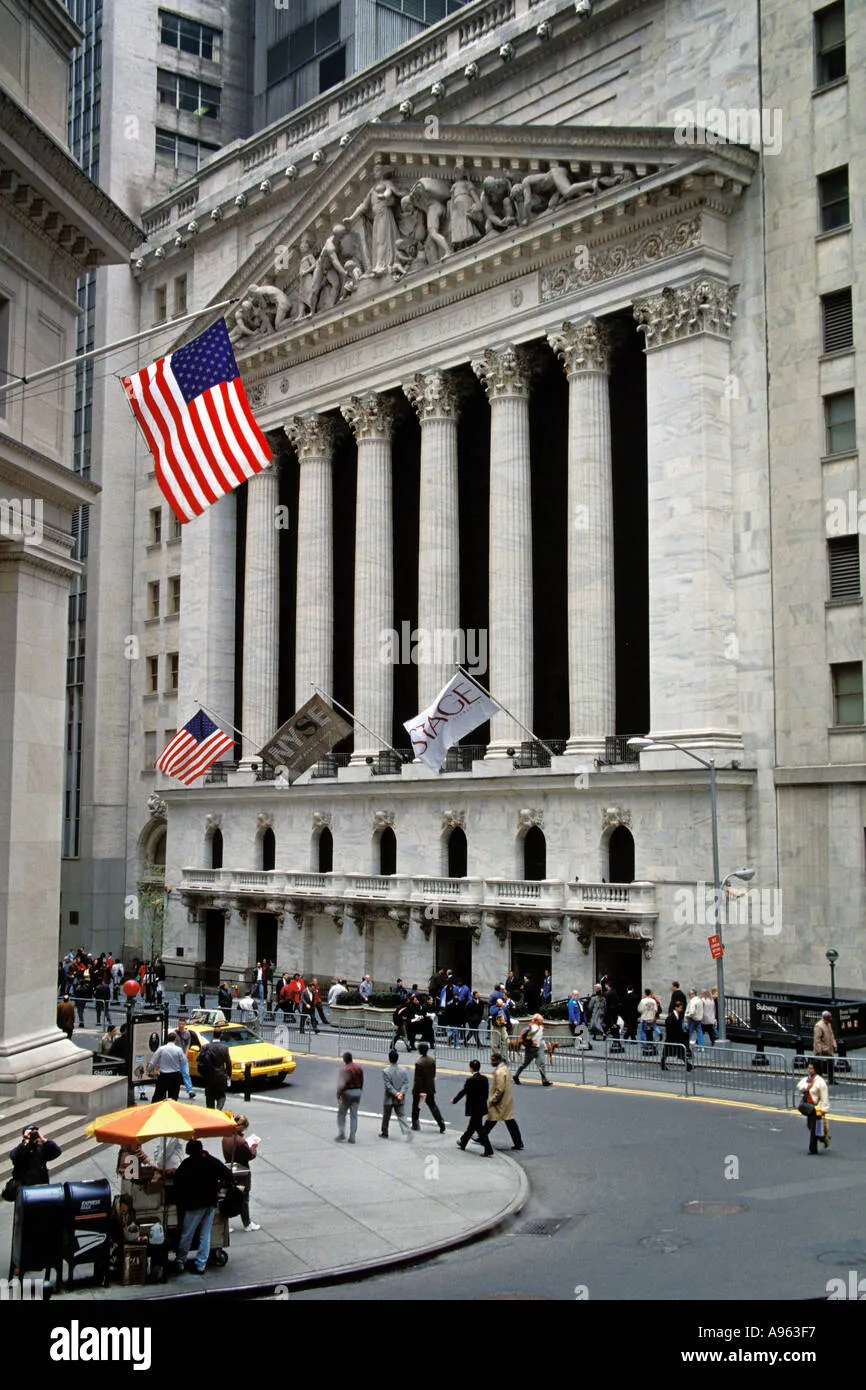 Photo: New York Stock Exchange, via c8.alamy.com
 Photo: Sterling, Connecticut, via kids.kiddle.co
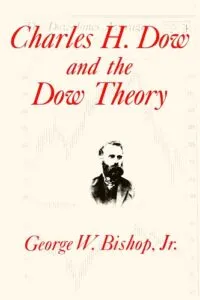 Photo: Charles Dow, via sacredtraders.com
Yet the Dow Jones Industrial Average — born from Dow's relentless curiosity about patterns that others dismissed as random noise — remains the heartbeat of American markets more than a century later.
When School Ended Before It Began
Charles Henry Dow's formal education ended at thirteen when his father died suddenly, leaving the family farm in financial ruin. While other boys his age were learning algebra, Dow was learning the weight of adult responsibility. He stocked shelves at the local general store, hauled lumber, and took whatever work Sterling, Connecticut could offer a teenager with calloused hands and an eighth-grade education.
The irony wasn't lost on anyone who knew him later: the man who would teach America how to read its own economy had been forced to abandon his textbooks before most children learned to multiply fractions.
But those early years of watching every penny, of understanding that survival meant paying attention to details that comfortable people ignored, gave Dow something that Harvard Business School couldn't teach: an instinct for what mattered when everything was on the line.
The Outsider's Advantage
When Dow finally made his way to New York in the 1880s, Wall Street was a gentleman's club where pedigree mattered more than perception. The financial elite spoke in coded language, operated through handshake deals, and viewed the market as their private domain. Dow, with his rural accent and working-class background, was tolerated but never truly welcomed.
That exclusion became his greatest asset.
While insiders obsessed over individual companies and personal relationships, Dow stepped back and saw something bigger: patterns that emerged when you stopped looking at trees and started studying the forest. He noticed that certain stocks moved together, that industrial companies rose and fell in predictable clusters, that there were rhythms to market behavior that no one was bothering to measure.
Building the Impossible Tool
In 1884, Dow published his first market average — eleven stocks that he believed represented the pulse of American industry. The financial establishment largely ignored it. What could a farm boy possibly understand about the complexities of modern commerce?
But Dow wasn't trying to impress the establishment. He was trying to solve a problem that everyone else had accepted as unsolvable: how do you measure the health of something as vast and chaotic as the American economy?
His answer was beautifully simple. Take the stock prices of major industrial companies, add them up, divide by the number of companies, and track the result over time. If American industry was growing stronger, the average would rise. If it was weakening, the average would fall.
The Revolution Hidden in Plain Sight
By 1896, Dow had refined his approach into what he called the Industrial Average — twelve companies including American Cotton Oil, American Sugar, and General Electric. The first published number was 40.94, a figure that meant nothing to anyone except Dow himself.
But as days turned to weeks and weeks turned to months, something remarkable happened. The number began telling a story that no individual stock price could tell. It captured the mood of American business, the confidence of investors, the underlying strength or weakness of the entire industrial economy.
Wall Street's elite slowly realized that this farm boy had accidentally created something they desperately needed: a way to see the big picture without getting lost in the details.
The Measuring Stick That Measured Everything
Today, when news anchors report that "the Dow" rose or fell, when retirement accounts rise and fall with its movements, when presidents celebrate or defend its performance, they're using a tool created by a man who learned economics by watching customers count change at a country store.
Charles Dow never lived to see his index become the most quoted financial statistic in history. He died in 1902, just six years after publishing those first twelve numbers. But his creation had already begun reshaping how America understood its own prosperity.
The Clarity of the Outsider
Dow's genius wasn't in understanding finance — it was in understanding simplicity. While Harvard-trained economists debated complex theories, a farm boy from Connecticut created a tool so straightforward that anyone could grasp its meaning. The Dow Jones Industrial Average succeeded precisely because its creator had never been taught that markets were too complicated for ordinary people to understand.
In a world where financial expertise often obscures rather than clarifies, Dow proved that sometimes the most profound insights come from the people standing furthest from the center of power. His numbers didn't just measure American capitalism — they democratized it, giving millions of people a way to understand forces that had previously been the exclusive domain of Wall Street insiders.
The farm boy who left school at thirteen had accidentally taught an entire nation how to read its own economic pulse.