She Was 15, She Was Furious, and History Almost Forgot Her Name

History has a habit of choosing its symbols carefully. It picks the image that sells the story cleanly, the face that fits the frame, the moment that can be explained in a single paragraph to a schoolchild. What it tends to leave out are the messier, more human moments that came first — the ones where ordinary people, often very young people, did something extraordinary before anyone was ready to make it mean something.
Claudette Colvin was fifteen years old in March of 1955. She was a student at Booker T. Washington High School in Montgomery, Alabama. She was smart, serious, and had recently been studying the United States Constitution in her classes — the part about equal protection under the law, the part that described rights she could see plainly on the page and could see just as plainly being denied every single day of her life.
 Photo: Montgomery, Alabama, via i2.wp.com
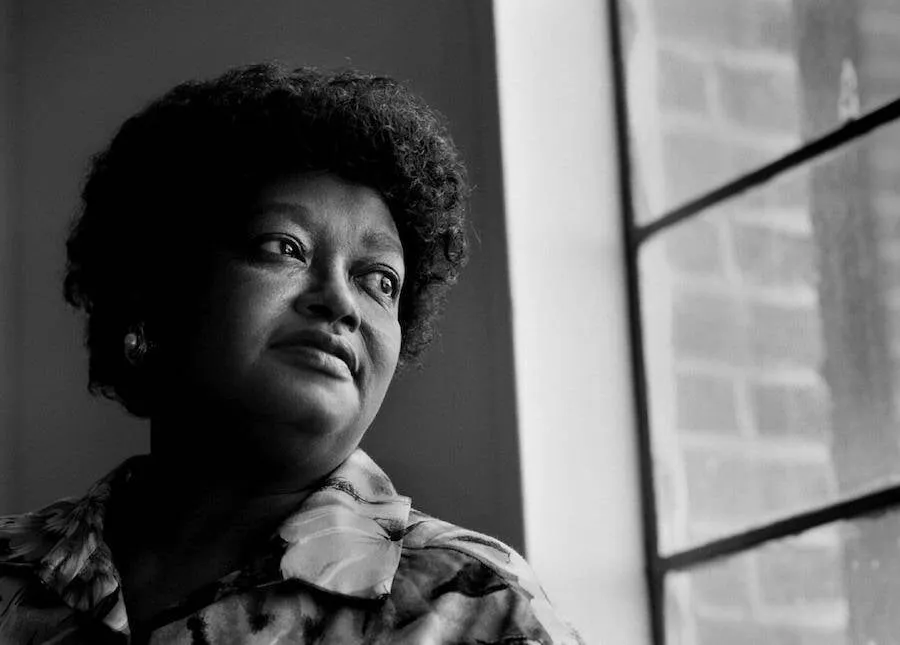 Photo: Claudette Colvin, via allthatsinteresting.com
On March 2, 1955, she got on a city bus after school and sat down.
When the driver told her to give up her seat to a white passenger, she said no.
What Actually Happened on That Bus
The Montgomery bus system operated under a rigid and humiliating set of segregation rules. Black passengers paid at the front, then had to exit and reboard through the back door. They sat in designated rear sections. And critically, if the white section filled up, Black passengers were expected to surrender their seats on demand — standing for the remainder of the ride, regardless of how far they had to travel.
Colvin had been thinking about segregation with the particular intensity that teenagers bring to injustice when they've just learned the vocabulary to name it. She later recalled thinking about the Constitution, about her studies, about a classmate named Jeremiah Reeves who had been arrested and was facing execution. She was not in a quiet mood.
When the driver demanded she move, she refused. When police officers boarded the bus, she refused again. She was physically dragged off the bus and arrested, later charged with violating segregation laws and assault — the assault charge stemming from the fact that she scratched an officer who grabbed her.
She was fifteen.
Why the Movement Moved On Without Her
Here is where the story gets complicated, and where the gap between history as it's taught and history as it actually happened becomes hardest to ignore.
The Montgomery chapter of the NAACP knew about Claudette Colvin's arrest. Civil rights leaders in the city, including a young minister named Martin Luther King Jr. and an NAACP secretary named Rosa Parks, were aware of what she had done. They had been looking, in fact, for exactly this kind of incident — a clean, clear act of defiance they could use to mount a legal challenge to bus segregation.
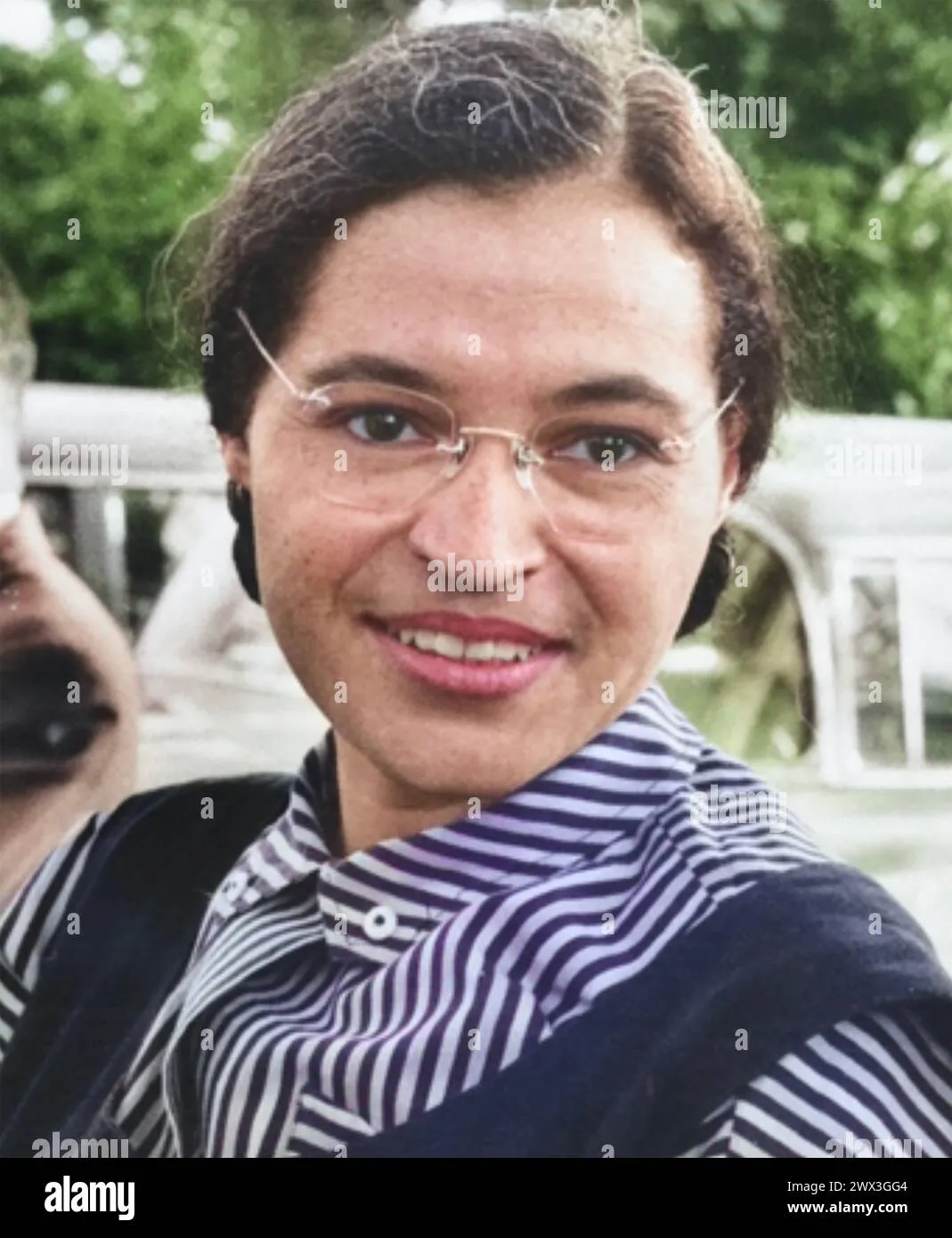 Photo: Rosa Parks, via c8.alamy.com
But they did not rally around Claudette Colvin.
The reasons were painful and pragmatic in equal measure. Colvin was a teenager, emotional, and harder to present as a composed symbol of dignified resistance. She was also, by the time community leaders were weighing their options, pregnant — a fact that movement strategists worried would undermine public sympathy and give opponents ammunition. She was, in the language of the era's politics, not considered the right face for the fight.
So the movement waited. It waited nine more months, until December 1, 1955, when Rosa Parks — a forty-two-year-old seamstress, NAACP secretary, and trained activist — refused to give up her seat on a Montgomery bus and was arrested. Parks was, by every calculation the movement had made, the ideal symbol. Dignified, composed, respected in the community, and entirely prepared for what came next.
The Montgomery Bus Boycott that followed lasted 381 days and became one of the defining events of the American civil rights movement.
Claudette Colvin's name appeared in footnotes, if it appeared at all.
The Lawsuit That History Forgot to Mention
What most school curricula still fail to mention is that Claudette Colvin didn't disappear from the story entirely. She became one of four plaintiffs in Browder v. Gayle, the federal lawsuit that actually ended bus segregation in Montgomery — not the boycott itself, but the legal case that ran alongside it.
The Supreme Court's 1956 ruling in that case declared Alabama's bus segregation laws unconstitutional. Claudette Colvin was part of the legal action that made that ruling possible. She testified. She put her name on the case. She did this as a teenager, in the Deep South, at a time when doing so carried real and serious risk.
She was not celebrated for it. She was not featured on the covers of magazines or invited to march at the front of parades. She moved to New York in her twenties, worked as a nurse's aide for decades, and lived in relative obscurity while the history she had helped make was being written around her.
When History Finally Catches Up
The recovery of Claudette Colvin's story has been slow and incomplete. Journalist Phillip Hoose wrote a young adult biography of her in 2009, more than fifty years after her arrest. It won the National Book Award. Readers who encountered it were frequently stunned — not just by Colvin's courage, but by the fact that they had never heard of her.
Colvin herself has spoken about her erasure with remarkable clarity and without apparent bitterness. She has said that she understands why the movement made the choices it made. She has also said, plainly, that she wishes young people knew her story — not because she needs the recognition, but because she thinks it matters for young people to understand that the history they're taught is always a selection, always a edit, always missing something.
She's right about that.
What Her Story Actually Tells Us
The easy version of civil rights history is a story of great leaders making great decisions at great moments. That version is not false. It is just incomplete.
The fuller version includes a fifteen-year-old girl on a Montgomery bus who was furious about injustice and said so out loud before it was strategically convenient for anyone. It includes the complicated decisions made by people who were trying to win a long fight and had to calculate every move. It includes the reality that courage and recognition are not the same thing, and that history is full of people who provided the former without ever receiving the latter.
Claudette Colvin sat down in March of 1955. The fire she helped start took decades to reach her name.
It's burning still.