She Talked Too Much for Any Boss to Handle — So She Talked America Into a Sales Revolution
If you've ever been told your biggest strength is actually a problem, you might understand something about Brownie Wise.
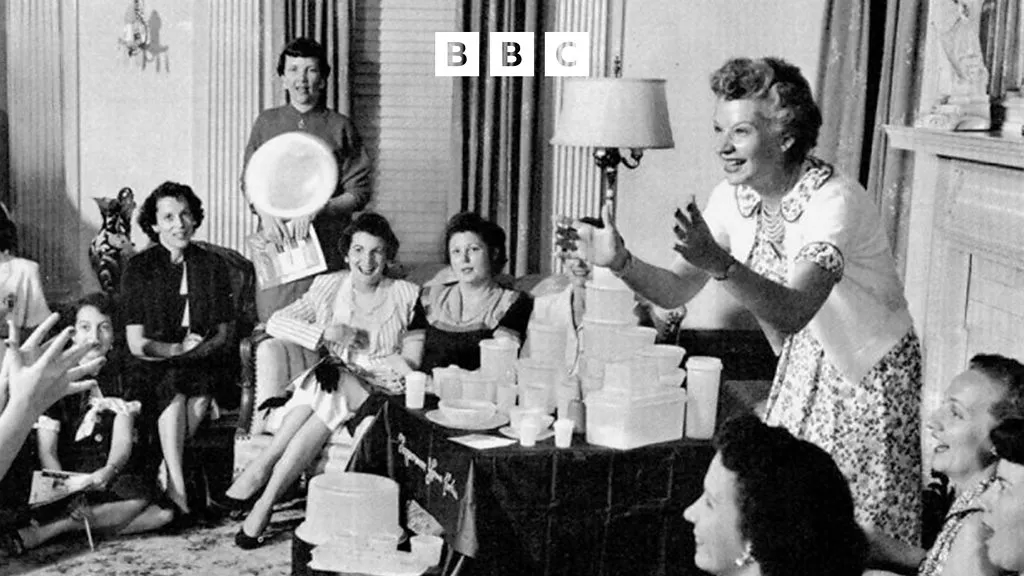 Photo: Brownie Wise, via ichef.bbci.co.uk
In the years right after World War II, Brownie was a divorced single mother living in Florida with a young son, a car that needed gas, and a personality that every traditional employer seemed to regard as a liability. She was warm. She was persuasive. She could talk to anyone — really talk, the kind of conversation that made people feel genuinely seen. Job interviewers called it chatty. Too much, they said. Too forward. Not what they were looking for in a woman applying for a sales position in 1940s America.
So she took her liability and went to work.
The Trunk Full of Plastic
The product that changed everything was, on its surface, deeply unglamorous: Tupperware.
Earl Tupper had invented his airtight plastic containers in 1946, and they were genuinely innovative — flexible, lightweight, with that satisfying burping seal that kept food fresh longer than anything else on the market. The problem was that nobody was buying them. Department stores stocked the things, but customers couldn't figure out how the seal worked without a demonstration, and store clerks weren't about to stand around showing people how to burp a plastic bowl.
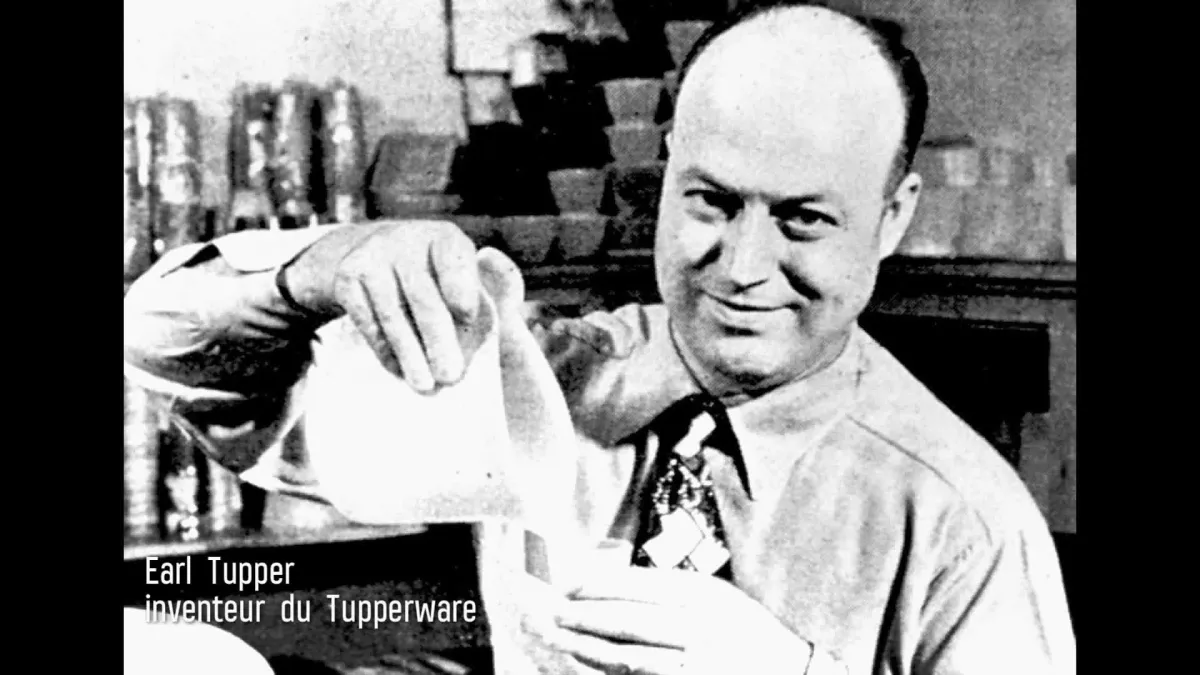 Photo: Earl Tupper, via i.pinimg.com
Brownie Wise figured this out immediately.
She'd started selling Tupperware through Stanley Home Products, a direct-sales company that ran in-home demonstrations. The format clicked for her in a way that retail never would have. You didn't just hand someone a product and ring up a sale — you gathered a group of women in someone's living room, you showed them how everything worked, you made them laugh, you made them feel like they were in on something. You turned a transaction into an event.
Her sales numbers were extraordinary. Not good-for-a-woman extraordinary. Just extraordinary, full stop.
Building the Party
By the early 1950s, Brownie had caught the attention of Earl Tupper himself. He pulled Tupperware entirely from retail stores in 1951 — a genuinely radical business decision — and hired Wise as vice president of Tupperware Home Parties, the new direct-sales division she would essentially build from scratch.
What she created wasn't just a sales system. It was a social movement in Tupperware-colored plastic.
The Tupperware party model gave women something the postwar American economy mostly wasn't offering them: a path to income that didn't require anyone's permission. You didn't need a degree. You didn't need to convince a skeptical hiring manager that you were worth taking a chance on. You needed a living room, a hostess willing to invite her neighbors, and the ability to connect with people.
Brownie trained her saleswomen — called dealers and distributors — with a combination of genuine business education and something that felt more like a revival meeting than a sales seminar. She understood that these women weren't just selling plastic containers. They were building confidence. They were, many of them for the first time, earning their own money and feeling the particular dignity that comes with that.
At the peak of her tenure, Tupperware was selling millions of dollars worth of product annually. Brownie Wise appeared on the cover of Business Week in 1954 — the first woman ever to do so. She was the public face of a company that was rewriting the rules of American commerce and American womanhood at the same time.
The Erasure
Here's where the story takes its sharpest turn.
In 1958, Earl Tupper fired her. The official reasons were vague — disputes over management style, concerns about her spending on company events and the Tupperware headquarters in Kissimmee. The real reasons are harder to pin down, but historians who've studied the period point to a familiar dynamic: the woman who built the machine became inconvenient once the machine was running smoothly.
She received no severance worth speaking of. Her stock options — which would have made her genuinely wealthy — were voided upon her termination. When Tupper sold the company later that same year for $9 million, Brownie Wise received nothing from the sale.
Worse, the company she had built began systematically minimizing her role in its own story. For decades, Tupperware's official history barely mentioned her name. The party model she invented, the distributor network she built, the culture she created — all of it got folded into the company's identity without the credit attached.
What the Parties Left Behind
But here's what couldn't be erased: the model itself.
The direct-sales party format that Brownie Wise developed and perfected didn't stay with Tupperware. It spread. Mary Kay Cosmetics. Avon. Pampered Chef. Amway. The entire direct-sales industry that would employ tens of millions of American women across the second half of the twentieth century drew from the blueprint she laid down in suburban living rooms across Florida.
She was told she talked too much. She was told her personality was the problem. She was told, in a hundred different ways by a hundred different gatekeepers, that what she was wasn't what the business world needed.
She responded by building a business world that didn't require their approval — and dragged millions of other women through the door behind her.
The employers who turned her away were looking for someone quieter, more manageable, more conventional. What they missed was that her particular brand of too-much was exactly the thing that would reshape American commerce for the next seventy years.
Brownie Wise died in 1992. Tupperware finally acknowledged her contributions more fully in later years, and a documentary about her life appeared in 2020. But the real monument to what she built isn't in any archive. It's in every direct-sales pitch that's ever happened in an American living room, right up to this afternoon.