The Street Corner Scholar Who Built America's Greatest Stage

The Dropout Who Wouldn't Quit Learning
In 1960, fifteen-year-old August Wilson walked out of Central Catholic High School in Pittsburgh for the last time. A racist note left on his desk — "Nigger go home" — had been the final straw in a series of humiliations that convinced him formal education wasn't meant for people like him. What the note's author couldn't have known was that they'd just freed one of America's greatest dramatists to find his real classroom.
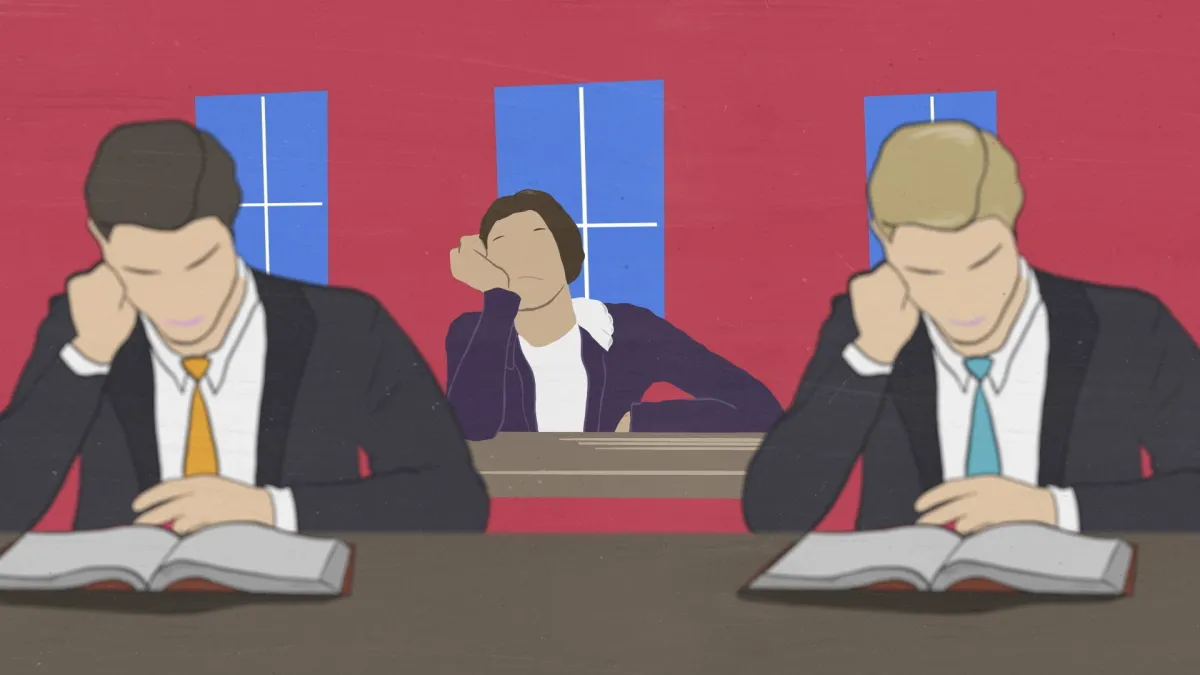 Photo: August Wilson, via hips.hearstapps.com
Wilson didn't storm out in defeat. He marched straight to the Carnegie Library and began what he'd later call his "real education." While his former classmates sat through lectures on Shakespeare and Steinbeck, Wilson devoured everything from sociology texts to poetry collections, teaching himself the fundamentals that expensive prep schools charged thousands to provide.
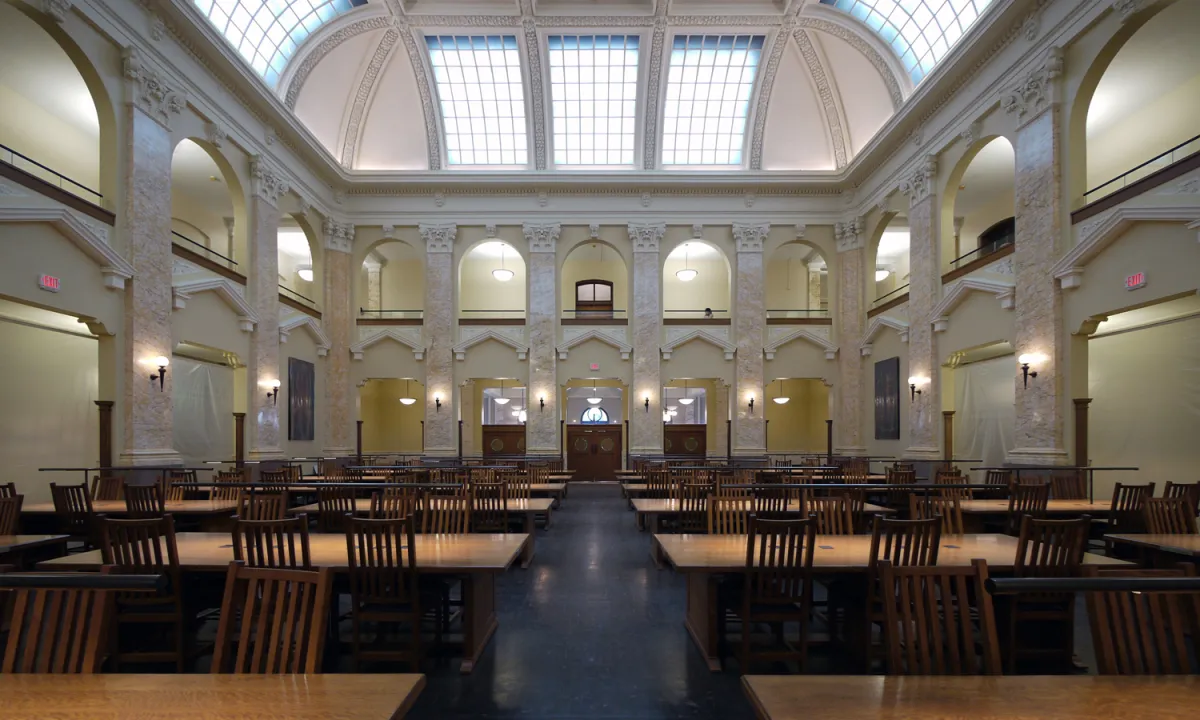 Photo: Carnegie Library, via images.squarespace-cdn.com
The University of Hard Knocks
For the next decade, Wilson's campus was Pittsburgh's Hill District — a vibrant Black neighborhood where he shined shoes, washed dishes, and worked construction. His professors were the men who gathered in Pat's Place, a local diner, to argue politics over coffee that cost a quarter. His literature courses happened in barbershops where storytellers spun tales that would later become the backbone of his plays.
"I learned more about life, about human nature, about the struggles of working people in those streets than I ever could have in a classroom," Wilson would reflect years later. The unconventional education was teaching him something no drama school could: how real people actually talked, moved, and dreamed.
When Poverty Became Purpose
By his late twenties, Wilson was still struggling to pay rent, still bouncing between odd jobs, still writing poetry that nobody wanted to publish. Friends suggested he try something more practical. Family members wondered when he'd get serious about making money. Wilson kept writing.
The breakthrough came not from inspiration, but from desperation. In 1978, a friend suggested he try writing for the theater — there might be actual money in it. Wilson had never written a play, had barely seen professional theater, but he needed the cash. His first attempt, "Jitney," was set in a gypsy cab station in Pittsburgh's Hill District, populated entirely by characters who sounded exactly like the men he'd known his whole life.
The play was raw, unpolished, and unlike anything American theater had seen. Wilson hadn't learned to write like Tennessee Williams or Arthur Miller because he'd never studied Tennessee Williams or Arthur Miller. Instead, he'd learned to write like August Wilson — and that made all the difference.
The Cycle That Changed Everything
What started as a desperate attempt to pay bills became a twenty-year project that would redefine American drama. Wilson's Pittsburgh Cycle — ten plays covering each decade of the twentieth century — wasn't just entertainment. It was archaeology, digging up the buried stories of Black America and presenting them with a dignity that mainstream culture had never bothered to provide.
Each play in the cycle drew directly from Wilson's street-corner education. "Fences," his most famous work, captured the specific rhythms of how working-class Black men talked about baseball, family, and deferred dreams. "Ma Rainey's Black Bottom" revealed the music industry's exploitation of Black artists with an insider's knowledge that no amount of research could have provided.
Critics initially dismissed Wilson's work as "too authentic" — code for too Black, too working-class, too real for polite theater audiences. But audiences didn't care what critics thought. They recognized truth when they heard it.
The Roofer's Pulitzer
In 1987, Wilson won his first Pulitzer Prize for "Fences." The high school dropout who'd spent his youth tarring roofs and washing dishes had achieved what MFA graduates and Ivy League dramatists spent lifetimes chasing. But Wilson knew the real victory wasn't the award — it was the fact that American theater finally had space for stories that sounded like the conversations he'd been overhearing his entire life.
The second Pulitzer came in 1990 for "The Piano Lesson," cementing Wilson's place as the most important American playwright of his generation. By then, the man who'd never taken an acting class was teaching master classes to actors who'd trained at Juilliard.
The Education Nobody Could Buy
Wilson's story reveals something uncomfortable about American education and opportunity. The formal systems designed to nurture talent had no place for a poor Black teenager from Pittsburgh's Hill District. But the streets, diners, and barbershops that educated Wilson gave him something no classroom could: an unfiltered understanding of how ordinary people navigate extraordinary circumstances.
When Wilson died in 2005, he left behind more than ten groundbreaking plays. He left proof that America's greatest artists don't always come from its most prestigious institutions. Sometimes they come from its most overlooked corners, carrying stories that the comfortable world never bothered to hear.
The boy who walked out of Central Catholic High School had spent his life proving that the most important education happens when nobody's keeping score — and that the students society writes off often have the most important lessons to teach.