They Were Laughed At for Wasting Their Time — Until Their 'Waste' Was Worth Billions
When 'That's Not a Real Thing' Becomes a $10 Billion Industry
There's a particular kind of condescension reserved for hobbies. Not the respectable ones — golf, wine collecting, anything that signals disposable income and good taste — but the weird ones. The obsessive ones. The ones that make relatives at Thanksgiving tilt their heads and ask, with genuine concern, but what do you do with it?
History has a pretty consistent answer to that question: sometimes you do a billion dollars with it.
Here are seven times the most dismissed pastimes in American culture turned out to be the seeds of entire industries.
1. Skateboarding: The 'Delinquent's Toy' That Built a Global Empire
In the 1950s, California surfers started nailing roller skate wheels to wooden planks so they could practice on flat days. The result looked ridiculous. Concerned parents and school administrators agreed: this was a menace, a distraction, and probably a broken wrist waiting to happen.
By the 1990s, skateboarding was a $1.5 billion industry. By the 2020s, it was an Olympic sport. Companies like Vans, which started as a tiny factory in Anaheim making shoes for a handful of local skaters, became global lifestyle brands worth billions. The 'delinquent's toy' turned out to be the foundation of an entire youth culture economy — apparel, footwear, media, video games, and a professional circuit that made household names out of kids who'd been told to get off the sidewalk.
2. Trading Cards: The 'Kids' Stuff' That Outlasted Entire Stock Markets
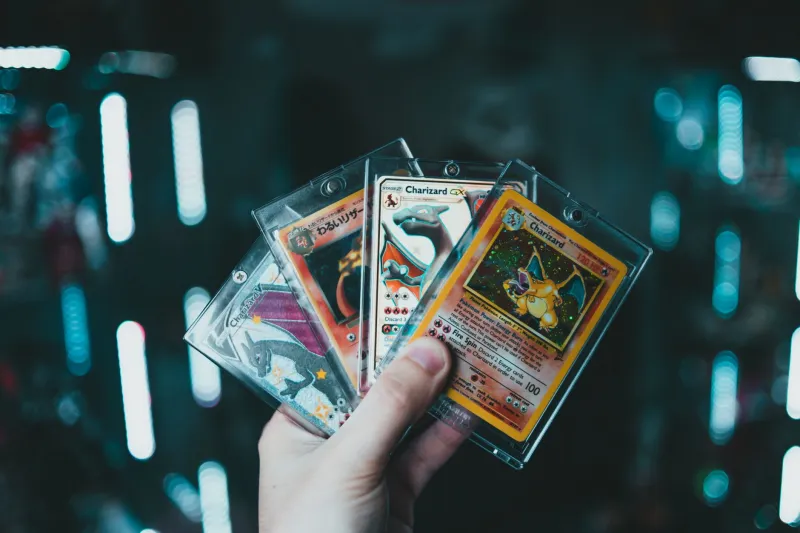
When Topps started printing baseball cards in 1952, nobody was thinking legacy investment. They were thinking bubble gum. The cards were a freebie — a marketing gimmick to sell candy to children.
For decades, collecting cards was the kind of hobby that got boxes thrown out by well-meaning mothers during spring cleaning. Then, quietly, the market matured. Rare cards began selling for thousands, then hundreds of thousands. In 2021, a 1952 Mickey Mantle rookie card sold at auction for $12.6 million — the highest price ever paid for a sports card at the time. The entire trading card market, including basketball, football, and gaming cards like Pokémon, is now valued in the tens of billions of dollars. The gum, for what it's worth, was never the point.
3. Video Games: The 'Waste of Time' That Ate the Entertainment Industry
In 1977, a New York Times piece questioned whether video games were a passing fad. Respectable people agreed. Arcades were for teenagers with nowhere better to be. Home consoles were toys. Nobody was going to build a real business on people pretending to jump on mushrooms.
The global video game industry now generates more annual revenue than Hollywood and the music industry combined. In the United States alone, the market surpassed $90 billion in 2023. The 'waste of time' turned out to be the defining entertainment medium of the 21st century, spawning professional esports leagues, billion-dollar streaming careers, and cultural franchises that dwarf almost anything the movie studios have produced.
4. Knitting and Crafting: The Grandma Hobby That Launched a Handmade Economy
For most of the 20th century, knitting was coded as something your grandmother did while watching television — charming, domestic, completely without commercial ambition. Crafting in general occupied the same cultural basement: earnest, unfashionable, invisible to anyone with serious money to spend.
Then Etsy launched in 2005 from a Brooklyn apartment. The idea was simple: give handmade goods a marketplace. The result was a platform that went public in 2015, reached a market cap of over $30 billion at its peak, and helped create a $50 billion-plus handmade goods economy in the United States. The grandma hobby turned out to have been sitting on an enormous, untapped consumer desire for authenticity, craft, and individuality — and all it needed was a platform to prove it.
5. Fantasy Sports: The Stat Nerd's Obsession That Became a Legal and Financial Battleground
Fantasy football started in 1962 at a New York hotel, invented by a Raiders executive and a handful of friends who wanted a more interesting reason to watch games they weren't personally invested in. For most of its early history, it was regarded as the purest expression of sports nerd energy — obsessive, irrelevant, and definitely not something grown adults should spend this much time on.
The fantasy sports industry in the United States is now worth over $9 billion annually. DraftKings and FanDuel, the two dominant daily fantasy platforms, have each been valued in the billions. The 'stat nerd's game' became so economically significant that it triggered federal legislative battles, state-by-state legal fights over whether it constituted gambling, and multi-million dollar advertising wars during NFL season. The obsession turned out to be a market.
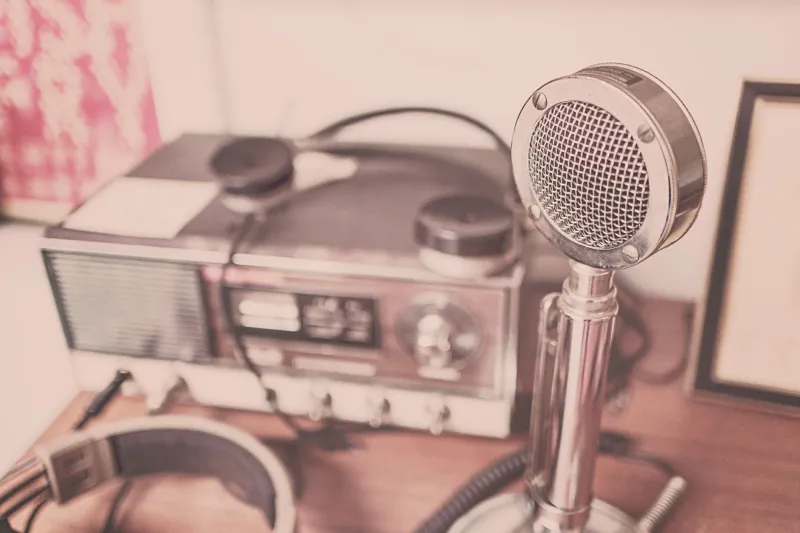
6. Podcasting: The 'Talking Into a Microphone in Your Closet' Medium That Ate Radio
When podcasting emerged in the early 2000s, the response from media professionals was roughly the equivalent of a slow, patient explanation to a child. Radio had infrastructure, talent, reach, and decades of institutional knowledge. What did podcasting have? Some guy with a USB microphone and a lot of opinions about true crime.
By 2023, the U.S. podcast industry was generating over $2 billion in advertising revenue annually, with projections pushing past $4 billion by 2025. Spotify paid $230 million for the rights to The Joe Rogan Experience. Major networks and studios that once looked down at podcasting as amateur hour were frantically building podcast divisions. The guy in the closet turned out to be the future of audio.
7. Cosplay: The 'Dress-Up for Adults' Scene That Became a Costume Economy
For a long time, dressing up as your favorite fictional character at a convention was the kind of thing that invited gentle concern from people who felt you should probably be directing that energy somewhere more productive. Cosplay — the practice of crafting and wearing elaborate costumes to celebrate characters from comics, anime, film, and games — was fringe. It was niche. It was, frankly, a little weird.
The global cosplay market is now estimated at over $6 billion, with the United States as one of its largest drivers. Convention attendance has exploded — San Diego Comic-Con alone draws over 130,000 attendees annually and generates hundreds of millions in local economic activity. Professional cosplayers command brand deals, merchandise lines, and social media audiences in the millions. The 'dress-up crowd' built an economy that major entertainment studios now actively court.
The Pattern Nobody Wants to Admit
Look across all seven of these stories and a pattern emerges that's hard to ignore: the people who got mocked earliest were often the ones who understood the desire most clearly. They weren't ahead of their time so much as they were paying attention to something real while everyone else was too busy performing sophistication to notice it.
The hobbies that got laughed at weren't flukes. They were signals — of genuine human appetite, of unmet need, of cultural energy that had nowhere official to go. The laugh was just the sound of the market not yet knowing what it wanted.
It figured it out eventually. It always does.