The Arrival That Almost Didn't Happen
Giuseppe Moretti stepped off the boat at Ellis Island in 1952 with $7 in his pocket, a cardboard suitcase held together with rope, and a cooking philosophy that would have made his grandmother proud: nothing—absolutely nothing—gets thrown away. What he didn't have was any idea that his Depression-era mindset about food waste would eventually transform the American palate.
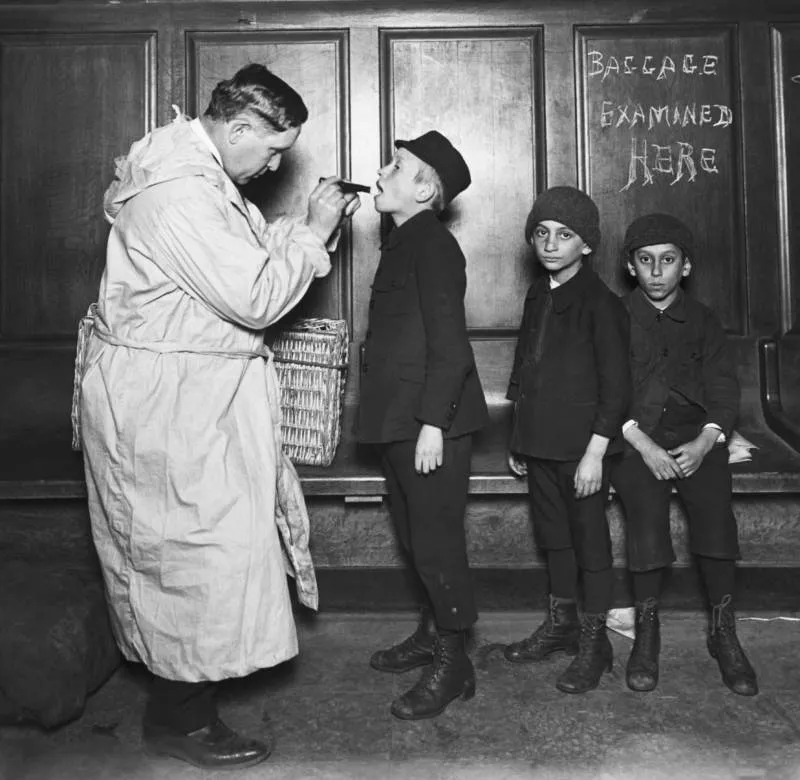 Photo: Ellis Island, via allthatsinteresting.com
The immigration officer who processed his paperwork noted that Moretti listed his occupation as "cook," though he had no formal training and couldn't read or write in English. What the officer couldn't have known was that this 23-year-old from a tiny Sicilian village was carrying in his head a collection of flavor combinations that would one day appear in millions of American kitchens.
The Boarding House Breakthrough
Moretti's first job in America was washing dishes at a boarding house in Newark, New Jersey. The pay was terrible, the hours were long, and the food waste was staggering. Every night, he watched perfectly good vegetables get scraped into the trash—onion tops, celery leaves, herb stems, and the dark outer leaves of lettuce that American cooks routinely discarded.
 Photo: Newark, New Jersey, via c8.alamy.com
What happened next was part cultural shock, part economic necessity, and part stubborn Old World pride. Moretti began taking home the scraps.
"In Sicily, we ate everything," he explained years later in broken English. "The American people, they throw away the best parts."
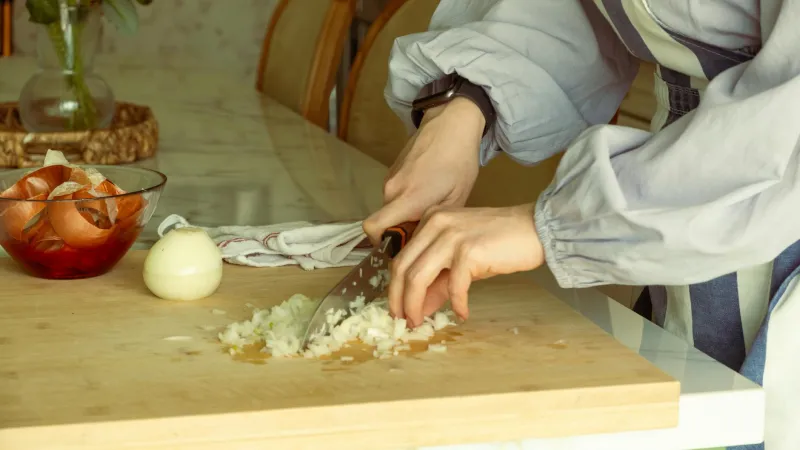
In his tiny shared apartment, Moretti would spend his evenings turning these castoffs into meals. Onion tops became the base for broths. Celery leaves were dried and ground into seasoning. Herb stems were charred over his single burner and mixed with salt to create what he called his "black powder"—a smoky, umami-rich blend that made everything taste better.
The Flavor That Wouldn't Quit
The breakthrough came when Moretti's roommate, a line cook at a local diner, tasted the black powder seasoning. "He put it on eggs, on potatoes, on meat—everything," Moretti recalled. "He say it make food taste like... more food."
The roommate convinced Moretti to bring some of the seasoning to the diner. The owner, initially skeptical about taking cooking advice from a dishwasher, agreed to let him season a batch of their house fries. Within a week, customers were asking what had changed. Within a month, they were going through five times as much of Moretti's seasoning blend as they had of their previous supplier's.
But Moretti's creation was different from anything on the market. While commercial seasonings relied on salt, sugar, and artificial flavors, his blend was built on the concentrated essence of the parts of vegetables that most people threw away. It was complex, earthy, and had what food scientists would later identify as an unusually high concentration of natural glutamates—the compounds that create the savory, addictive quality known as umami.
The Chain Reaction
Word spread through Newark's restaurant community about the dishwasher with the magic seasoning. Small diners began buying mason jars of Moretti's blend. Then pizza shops. Then a regional burger chain called Hometown Grill noticed that their Newark locations were suddenly outselling all their other restaurants.
The chain's corporate office sent investigators to figure out what was different. They found Giuseppe Moretti, now promoted to prep cook, arriving at work two hours early each morning to prepare his seasoning blend from the previous day's vegetable scraps.
In 1958, Hometown Grill offered Moretti a deal that would change everything: they would buy his recipe and hire him to oversee production of what they would call "Hometown Seasoning." The contract was for more money than Moretti had ever imagined, but he almost walked away when they suggested "improving" the formula with artificial ingredients.
"They want to make it from powder, from chemicals," he remembered. "I tell them, 'You want the taste, you take the recipe. You want to change the recipe, you find someone else.'"
Hometown Grill backed down.
The Secret That Went National
Hometown Seasoning became Hometown Grill's signature differentiator. The chain expanded from twelve locations in New Jersey to over 300 restaurants across the Northeast by 1965. Other restaurant chains began trying to reverse-engineer the formula, but they couldn't replicate the complexity that came from Moretti's use of vegetable scraps.
The real transformation came in the 1970s, when major food manufacturers began licensing variations of Moretti's formula for frozen foods, snack products, and eventually, the massive fast-food chains that were reshaping American eating habits.
The Ingredient That Hides in Plain Sight
Today, variations of Moretti's original seasoning blend appear in products from McDonald's fries to Doritos chips to frozen dinners found in every American grocery store. The specific combination of roasted vegetable extracts, herb-stem powders, and charred aromatics that he developed from boarding house scraps has become so fundamental to American processed food that most consumers have never tasted anything without it.
Food industry insiders call compounds based on Moretti's formula "the umami backbone of American fast food." But they're listed on ingredient labels under technical names like "natural flavoring," "vegetable extract," or "spice blend."
The Man Who Saved the Scraps
Moretti died in 1994, having never learned to read English but having fundamentally changed how America tastes food. His original recipe, still produced under license by dozens of food manufacturers, generates over $2 billion in annual revenue.
But perhaps more importantly, his story illustrates how America's most defining flavors often come from the margins—from people who approach food differently because they've experienced scarcity differently. Moretti's refusal to waste food wasn't just environmental consciousness; it was survival instinct refined over generations.
"He saw value where others saw garbage," explained Dr. Maria Santos, a food historian at Rutgers University. "That perspective—that nothing should be wasted, that flavor exists in the parts we throw away—that's become central to how America eats, even if most people have no idea where it came from."
In an industry built on innovation and marketing, Giuseppe Moretti proved that sometimes the most revolutionary ideas come from the simplest places: a newcomer's refusal to accept that perfectly good food should end up in the trash, and the patience to turn scraps into something that would feed a nation.